Buy Used Engine and Transmission for Sale — Save Big & Get a Reliable Fit | YoungMechanic
Table of Contents
Toggle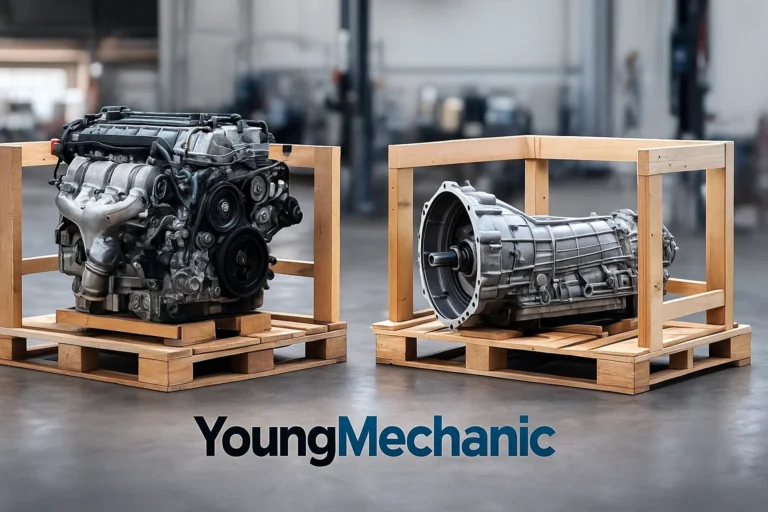
Looking for a reliable used engine and transmission that delivers long-lasting performance without draining your wallet? At YoungMechanic, we specialize in providing top-quality, fully inspected, and ready-to-install powertrain components for every major make and model across the USA. Our inventory includes low-mileage units sourced from certified recyclers, insurance-grade vehicles, and trusted dismantlers — ensuring every used engine and transmission for sale meets strict standards for mileage, compression, and overall health.
Whether you need a budget-friendly replacement, a long-block or short-block engine, or a remanufactured transmission, this guide covers everything you must know before buying. You’ll learn how to compare different options, understand engine codes, evaluate condition reports, spot red flags, calculate installation costs, and choose the right warranty for long-term peace of mind.
With transparent pricing, compatibility checks, expert support, and fast nationwide shipping, YoungMechanic makes it simple to find a dependable used engine and transmission that fits your vehicle — and your budget. If you want power, reliability, and value in one place, this guide is your starting point to making the right choice confidently.
Why Buy a Used Engine or Transmission?
Investing in a used engine or transmission is one of the smartest ways to reduce repair costs without compromising on reliability. Instead of spending thousands on brand-new OEM units or fully rebuilt assemblies, choosing a high-quality used powertrain component can save you 30–60%, depending on your vehicle’s make, model, and the mileage of the unit. Reputable sellers thoroughly inspect, test, and document each unit — including compression readings, leak checks, and mileage verification — helping you avoid unexpected failures and keeping your vehicle on the road longer.
Used engines and transmissions also offer faster availability. While new components often involve long factory lead times, used units are usually in stock and ready for same-day or next-day shipping nationwide, making them ideal for urgent repairs.
Who this is for:
- Budget-conscious vehicle owners wanting reliable and affordable repairs
- Classic-car and project-car restorers seeking rare or discontinued parts
- Mechanics and repair shops sourcing cost-effective components for customers
- Anyone needing a quick, dependable replacement to get their vehicle running again
With the right seller and proper verification, a used engine or transmission can deliver excellent value, performance, and long-term peace of mind.
What to Expect in a Quality Used Engine or Transmission Listing
When shopping for a used engine or transmission, the product listing itself should tell you almost everything you need to know before making a purchase. A trustworthy seller provides complete transparency, detailed specifications, and verified information. If any of the points below are missing, consider it a red flag.
A high-quality listing should include:
- Full Engine/Transmission Code & VIN Compatibility
Exact fitment details are crucial. A proper listing includes the engine code, transmission code, and compatible VIN ranges so you can confirm the unit will bolt directly into your vehicle without modifications. - Verified Mileage From Donor Vehicle
Honest odometer readings help you judge remaining lifespan. The listing should clearly state the mileage and how it was verified (auction sheet, dashboard reading, or documentation). - Accurate Condition Notes
A reliable seller mentions any known issues, previous repairs, oil or coolant leaks, gasket conditions, or parts replaced. Transparency here prevents unexpected surprises during installation. - Type of Unit Provided
Listings should specify whether the part is used, remanufactured, long-block, short-block, core engine, or a reman transmission, so you know exactly what components are included. - Return & Warranty Policy
Look for clear warranty coverage — ideally 30, 60, or 90 days for used units, and longer for remanufactured ones. A strong policy provides protection if the engine or transmission fails prematurely. - Shipping & Packaging Details
Quality sellers ship units on secure pallets or wooden crates, properly drained, wrapped, and insured during transit. This reduces the risk of damage and ensures your unit arrives ready for installation.
A listing that covers all these points shows that the seller stands behind their used engine and transmission, giving you confidence and safety in your purchase.
How to Read a Used Engine or Transmission Listing
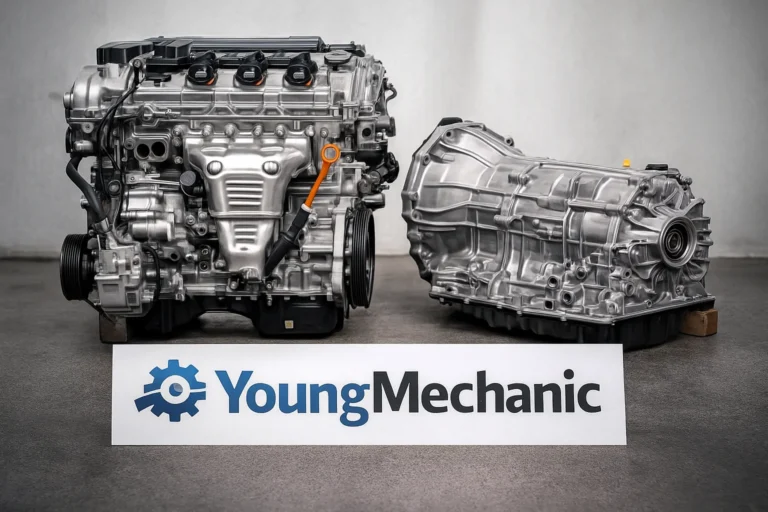
Understanding how to evaluate a used engine or transmission listing is the key to avoiding hidden problems and getting the best value. Before you buy, review these fields carefully — they reveal most of what you need to know about condition, compatibility, and long-term reliability.
What to check immediately:
- Engine Code / Part Number
This is the most important detail. The listing should provide the exact engine code or transmission model number. Compare it with your vehicle’s VIN, emissions label, or OEM documentation to confirm perfect fitment. Even a small mismatch can lead to installation issues or sensor incompatibility. - Miles on the Donor Vehicle
Lower mileage usually means less wear, but mileage alone isn’t enough. See if the listing mentions service records, accident details, or whether the donor vehicle was insurance-graded. A well-maintained 120k-mile engine can often outperform a neglected 70k-mile one. - Photos of the Actual Unit
High-quality, unedited photos help you inspect the engine or transmission visually. Look for:- Oil or coolant seepage
- Cracked or damaged mounts
- Rust or heavy corrosion
- Broken sensors or cut wiring
- Missing accessories
Clear photos indicate a trustworthy seller.
- Seller Notes and Test Results
Pay close attention to the description. Reputable sellers include valuable test data such as compression readings, leak-down test results, pressure tests, or run-test videos. Notes about warranty, return policy, or installation requirements should also be easy to find.
Reading a listing correctly ensures you choose a used engine or transmission that is compatible, reliable, and worth your investment — helping you avoid expensive surprises during installation or future repairs.
Inspection Checklist — What We Test at YoungMechanic
Whether you’re receiving a shipment or inspecting a used engine or transmission in person, a proper inspection can save you from costly installation failures. At YoungMechanic, every unit goes through a strict multi-point check before it’s approved for sale. Use this copyable checklist to evaluate any powertrain component like a pro.
Engine Checks
- Visual Inspection
Check for cracks on the block, heavy corrosion, broken sensors, cut wiring, or missing accessories such as coil packs, manifolds, or brackets. Clean, intact hardware is a good sign of a well-handled engine. - Smell Test
Sharp fuel odor or strong coolant smell may indicate injector issues, internal leaks, or a failing head gasket. These should be considered red flags. - Rotate the Crank by Hand (if accessible)
The crankshaft should rotate smoothly without grinding, binding, or excessive resistance. Any uneven movement could signal internal wear or piston damage. - Engine Oil Inspection
Pull the dipstick and check for metal flakes, sludge, or milky oil.- Metal flakes → reject immediately (possible bearing failure).
- Milky oil → coolant contamination (likely blown head gasket).
- Coolant Residue Check
Look for dried coolant marks around the cylinder head, intake manifold, block deck, or water outlets — a common symptom of head-gasket failure. - Compression Report
Ask for a compression test report or acceptable compression range for your engine model. Balanced compression across cylinders is one of the best indicators of engine health.
Transmission Checks
- Visual Inspection
Look for cracked housings, snapped mounts, missing bellhousing bolts, damaged sensors, or signs of heavy impact. Any structural damage should be a deal-breaker. - Fluid Condition
Inspect the fluid for color and smell:- Healthy: reddish or light brown.
- Unhealthy: dark black, burnt smell, metal particles, or sludge.
Bad fluid condition may indicate clutch wear or overheating.
- Input Shaft & Splines
Move the input shaft gently. There should be no major play, wobbling, or grinding. Damaged splines are an immediate rejection sign. - Shift Test (if possible)
On professional stands, transmissions can be cycled through gears. Certified remanufacturers provide test sheets showing pressure tests, solenoid function, and gear engagement. If the seller offers this — it’s a strong trust signal.
Warranty, Returns, and Shipping — What to Negotiate Before Buying
When purchasing a used engine or transmission, the warranty and shipping terms are just as important as the unit’s mileage or condition. A reputable seller provides clear protection, transparent return policies, and professional packaging so you’re never taking unnecessary risks. Before finalizing your purchase, make sure you understand and negotiate these key points:
- Minimum 30-Day Warranty (Extendable Preferred)
A solid seller offers at least a 30-day standard warranty on used units. Better sellers provide 60–90 days, and premium reman units may come with 6–12 months. Always check what the warranty covers — labor, replacement, or parts only. - Core Return Policy
If your purchase includes a core charge, ask how the core return process works. A smooth process includes prepaid labels, clear instructions, and quick credit processing once your old engine or transmission is received. - Insured & Trackable Shipping
Engines and transmissions should always be shipped on secure pallets or heavy-duty wooden crates, fully drained, wrapped, and insured. Trackable, insured freight prevents transit damage and ensures you receive the exact unit promised. - Packaging & Handling Standards
Proper padding, shrink-wrapping, and steel-banded pallets reflect a seller’s professionalism. Poor packaging often leads to broken sensors, cracked housings, or oil lines damaged during hauling.
At YoungMechanic, every used engine and transmission goes through full compatibility verification, is packaged in heavy-duty industrial crates, and comes with clear, transparent warranty options so you know exactly what you’re getting. No guesswork, no surprises — just reliable parts backed by accountability.
- Minimum 30-Day Warranty (Extendable Preferred)
Price Expectations & Saving Tips
The cost of a used engine and transmission varies widely based on make, model, mileage, demand, and whether you choose a used, rebuilt, or remanufactured unit. Understanding these price brackets helps you avoid overpaying and spot genuine value.
Typical price ranges you’ll see in the market:
- Economy Sedans (Honda, Toyota, Nissan, Ford, Hyundai, etc.)
These are generally the most affordable. Used engines and transmissions for common 4-cylinder models are widely available, making them budget-friendly options. - Luxury & Import V6 / V8 Engines (BMW, Mercedes, Audi, Lexus, Infiniti)
Prices rise significantly due to complex engineering, limited availability, and higher demand. These units often come from low-production vehicles, making clean low-mileage options more expensive. - JDM & Performance Engines (2JZ, K20, RB26, LS Series, Hemi, EcoBoost)
These engines usually command a premium because enthusiasts seek them for swaps, upgrades, and restorations. Low-mileage or unmodified units are especially in demand.
How to Save Money When Buying a Used Engine or Transmission
- Choose Sellers With Large Inventories
High-volume suppliers and marketplaces offer better pricing and a higher chance of finding clean, low-mileage units. - Negotiate Shipping Costs
Freight can add a big chunk to your total price. Ask about discounted shipping, terminal pickup options, or combined shipping if buying multiple parts. - Ask About Core-Credit Discounts
Many sellers refund part of your payment when you return your old engine or transmission. This can save $100–$500 depending on the model. - Compare Used vs. Remanufactured Pricing
Sometimes a remanufactured engine is only slightly more expensive but offers a longer warranty — worth considering for long-term reliability. - Check Seasonal or Volume Discounts
Many suppliers offer periodic sales or better pricing when purchasing through repair shops or mechanics.Understanding market prices and smart negotiating strategies helps you get the best-value used engine and transmission without compromising on quality or reliability.
Installation & Aftercare
Proper installation and post-install maintenance are essential for getting the longest life and best performance from your used engine or transmission. Even the cleanest, low-mileage unit can fail early if installed without the right supporting parts or procedures. Follow these best practices to protect your investment and keep your vehicle running smoothly.
- Use OEM or High-Quality Aftermarket Gaskets & Seals
Always replace valve cover gaskets, oil pan gaskets, rear main seal, intake/exhaust gaskets, and any brittle O-rings with new components. Cheap seals often fail early and can void warranties. - Replace Timing Components During Engine Swap
While the engine is out, replace timing belts, chains, tensioners, and water pumps if needed. This is the most cost-effective time to address components that commonly fail, giving your used engine a fresh start. - Flush the Cooling System & Change Oil/Filter
Old coolant or contaminated oil can damage your new unit. Perform a full coolant flush, refill with recommended specification fluid, and change oil and filter immediately after installation — then again after 500–800 miles. - Transmission Fluid & Filter Service
For used transmissions, replace the torque converter fluid, internal filter (if serviceable), and check for the correct OEM-specified ATF. Proper fluid health is crucial for smooth shifting and long-term durability. - Professional Installation & Torque Specs
Always have a qualified technician torque engine mounts, bellhousing bolts, flex-plate bolts, and subframe components to OEM specifications. Modern vehicles may also require sensor relearning, ECU programming, or TCM adaptation for ideal performance.
Proper installation and post-care ensure your used engine or transmission delivers reliable, long-lasting service — giving you maximum value from your purchase.
How YoungMechanic Makes Buying Safer
At YoungMechanic, we know that purchasing a used engine or transmission is a big decision — and we’ve built our entire process around transparency, accuracy, and customer protection. We follow industry-leading inspection standards and enhance them with our own customer-first systems to ensure every buyer gets exactly what they pay for.
- Full Fitment Verification Before Shipping
Our team manually cross-checks your VIN, engine code, transmission model number, emissions specs, and production year to guarantee proper fitment. This eliminates the #1 cause of failed installs — wrong or incompatible parts. - Detailed Photos & Condition Reports
Every unit we sell includes high-resolution images of the actual product, plus notes on mileage, compression, leaks, mounts, sensors, and any cosmetic imperfections. What you see is exactly what you get — no surprises. - Clear Warranty Options
Choose between our standard 30-day warranty or extended 6–12 month coverage on select used and remanufactured units. Our policies are transparent, easy to understand, and designed to protect your investment. - Strict Inspections & Secure Packaging
Engines and transmissions are tested, drained, sealed, and packed in heavy-duty crates to ensure safe, damage-free delivery anywhere in the USA.
Ready to find the perfect used engine or transmission?
Browse our inventory at YoungMechanic or contact our parts specialists for a free compatibility check and shipping quote — and get back on the road with confidence.