How to Inspect a Used Engine Before You Buy It | Young Mechanic
Table of Contents
ToggleBuying a used engine can save you thousands, but only if you know how to inspect a used engine properly. A
thorough used engine inspection helps you spot issues early and buy confidently. can save you thousands of
dollars, but only if you know how to pick the right one. A bad engine can quickly turn into a money pit.
Whether you’re buying from a junkyard, an auto parts dealer, or an online marketplace, inspecting the engine
properly is the key to making a smart purchase.
At Young Mechanic, we’ve helped countless DIYers and car enthusiasts learn how to choose reliable used
engines that deliver long-term value. In this guide, we’ll show you step-by-step how to inspect a before you
buy it — even if you’re not a professional mechanic.
Why Inspecting a Used Engine Matters
A used engine is only as good as its maintenance history and current condition. Sellers often describe engines as “low mileage” or “tested,” but these claims don’t always tell the full story.
By performing your own inspection, you can:
Avoid buying a damaged or worn-out engine
Detect leaks, cracks, and hidden defects
Ensure the engine is compatible with your vehicle
Negotiate a better price with confidence
Young Mechanic Tip: Even trusted sellers can miss hidden issues. Always double-check every claim yourself before making a payment.
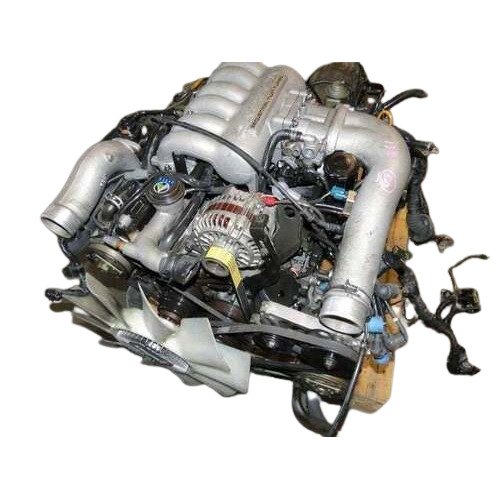
Tools You’ll Need for a Used Engine Inspection
Before starting, grab a few basic tools and supplies:
- Flashlight
- Mechanic gloves
- Socket wrench set
- Engine compression tester (if possible)
- Inspection mirror
- OBD-II scanner (optional but helpful)
If you’re missing any of these, check the Young Mechanic tools section for our recommended products and reviews.
Step 1: Identify and Verify the Used Engine
Every engine has a serial number (or engine code) stamped on it — usually located near the block or head.
Match the engine code with your vehicle’s make, model, and year to ensure compatibility.
If you’re replacing an engine, check:
- Displacement (e.g., 2.0L, 3.5L)
- Fuel type (gasoline or diesel)
- Transmission compatibility (manual vs automatic)
Young Mechanic Tip: Search your VIN online or call your local dealership to confirm the exact engine code your vehicle needs.
Step 2: Inspect for Oil Leaks and Fluid Condition
Oil tells you a lot about the engine’s health.
- Look for leaks around valve covers, oil pan, and gaskets.
- Pull out the dipstick — the oil should be amber to dark brown, but not milky (which could mean coolant contamination).
- Run your fingers through the oil — if you feel metal shavings or grit, walk away immediately.
Pro Tip from Young Mechanic: Milky or foamy oil can indicate a blown head gasket or cracked block — both major red flags.
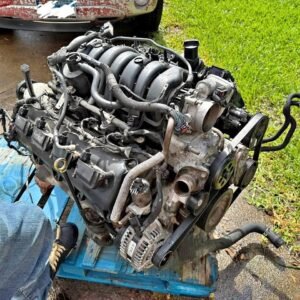
Step 3: Check Coolant, Radiator, and Hoses
- Open the radiator cap (only when the engine is cold).
- Coolant should be bright green, yellow, or pink — not rusty or brown.
- Check for oil floating in the coolant — that’s a sign of internal damage.
- Inspect hoses and radiator connections for cracks or corrosion.
Step 4: Examine the Belts, Hoses, and Seals
- Look for cracks or fraying on belts.
- Check if hoses feel soft or brittle — both are signs of wear.
- Inspect all visible rubber seals and gaskets for aging or leaks.
A healthy engine should show signs of consistent maintenance — something the experts at Young Mechanic always emphasize before any purchase.
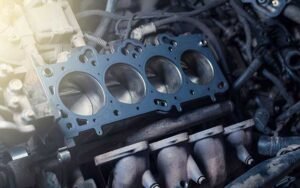
Step 5: Check the Engine Block and Head for Damage
Use your flashlight and mirror to inspect:
- Cracks or welds on the block
- Signs of oil seepage near the head gasket
- Rust spots or excessive grime buildup
Small cosmetic rust is okay — but deep rust or patched welds often signal a previous engine failure or overheat.
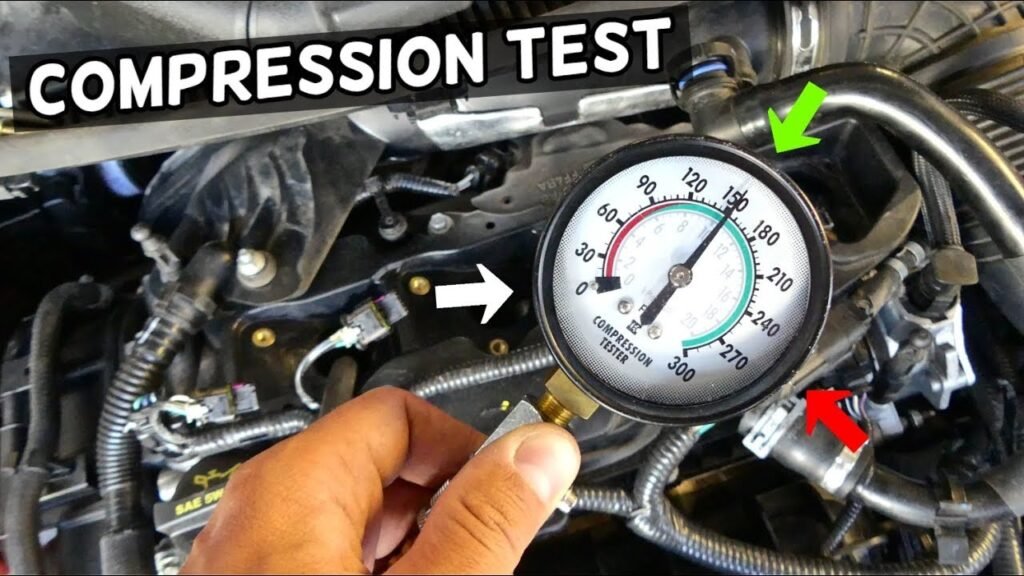
Step 6: Perform a Compression Test
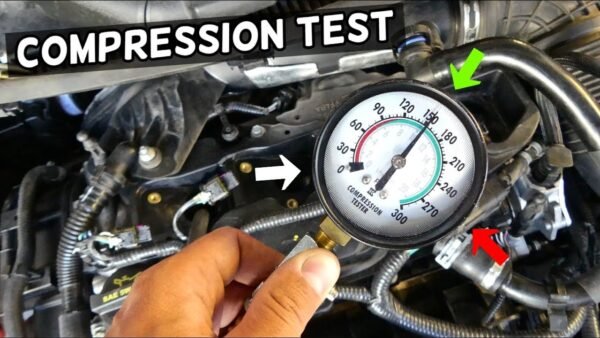
A compression test tells you how strong the engine’s cylinders are.
You’ll need a compression tester, available at most auto parts stores.
Steps:
- Remove one spark plug at a time.
- Screw in the tester.
- Crank the engine a few times.
Healthy readings are usually 120–160 psi per cylinder, and all cylinders should be within 10–15% of each other.
Low compression = internal wear (pistons, valves, rings).
Young Mechanic Tip: Always compare compression readings before sealing the deal — it’s the easiest way to avoid buying a weak engine.
Step 7: Ask for Maintenance Records or Warranty
A trustworthy seller should provide:
- Mileage proof (from the donor vehicle)
- Service history (oil change intervals, repairs)
- Any warranty or return policy
If the seller refuses to provide basic info — that’s a warning sign. Young Mechanic recommends buying only from sellers who guarantee at least a 30–90 day start-up warranty.
Step 8: Check for Signs of Storage Damage
Engines that sit too long can develop internal corrosion or stuck components.
Check:
- Is the engine stored indoors or outside?
- Are intake/exhaust ports sealed?
- Are spark plug holes covered?
At Young Mechanic, we’ve seen great engines ruined simply because they sat uncovered in the rain — always check storage conditions before purchase.
Step 9: Negotiate Based on Findings
Once you’ve inspected everything, use your notes to negotiate a fair price.
Mention issues (minor leaks, old belts) to lower the price.
Key Takeaway
Inspecting a used engine before buying isn’t just smart — it’s essential.
A careful inspection helps you avoid costly mistakes, negotiate better deals, and find an engine that will last for years.
If you’re not confident doing it yourself, the team at Young Mechanic recommends hiring a trusted mobile mechanic or inspection service. The small fee is worth the peace of mind.
Final Thoughts from Young Mechanic
Buying a used engine can be a fantastic way to get your vehicle back on the road without breaking the bank — as long as you take your time and inspect carefully.
At Young Mechanic, our goal is to help you make confident, informed automotive decisions. Whether you’re buying your first used engine or upgrading your ride, we’re here to guide you every step of the way.
Frequently Asked Questions (FAQ) — Young Mechanic
1. What should I look for when buying a used engine?
When buying a used engine, check for oil leaks, coolant condition, and compression levels. Make sure the engine code matches your car’s model and verify that there are no cracks or rust on the block. Always ask for mileage proof and warranty before making the purchase.
2. How can I test a used engine before installing it?
The best way to test a used engine is with a compression test. You can also inspect the spark plugs, check for consistent cylinder pressure, and listen for unusual noises if the engine is running. Young Mechanic recommends asking the seller for a video of the engine running or having a mechanic perform a bench test.
3. Is it safe to buy a used engine online?
Yes, but only from reputable sellers who provide a return policy, warranty, and verified mileage. Trusted platforms often include inspection reports or startup videos. Young Mechanic advises avoiding listings with poor photos, missing engine codes, or no warranty information.
4. How much does a used engine cost in the U.S.?
Prices vary based on the make and model. Most used engines in the U.S. cost between $800–$3,000, depending on mileage and condition. Luxury or performance engines can cost more. For price comparisons and trusted sources, check out the Young Mechanic used engine guide.
5. Should I buy a rebuilt engine instead of a used one?
A rebuilt engine is often more reliable than a regular used one because damaged parts are replaced and tested. However, rebuilt engines are also more expensive. Young Mechanic suggests considering a rebuilt option if you plan to keep the vehicle long-term.